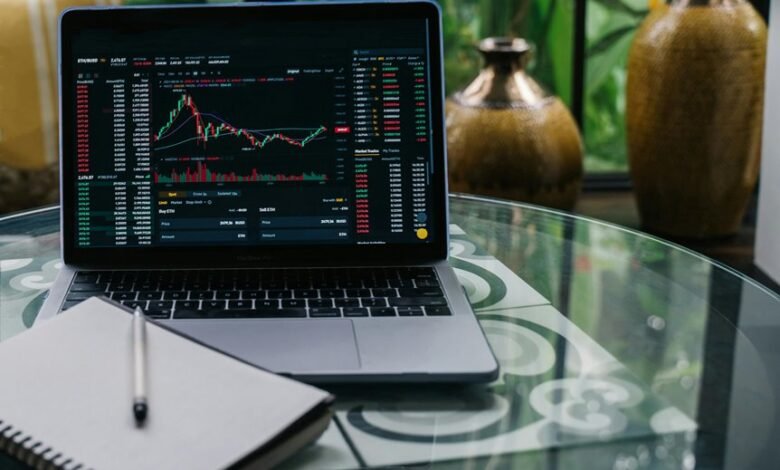
In the realm of stock trading, numerous individuals undermine their potential for success through common errors. A significant issue is the absence of a well-defined trading plan. Additionally, many traders fall prey to emotional decision-making, allowing fear or greed to influence their actions. Furthermore, neglecting risk management strategies can lead to substantial losses. Understanding these pitfalls is essential for improving trading outcomes and ensuring long-term financial stability. What strategies can one implement to avoid these missteps?
Lack of a Trading Plan
A significant number of traders enter the market without a clearly defined trading plan, which can lead to impulsive decisions and substantial financial losses.
A robust trading strategy, grounded in thorough market analysis, is crucial for success. Without this framework, traders often react emotionally to market fluctuations, undermining their potential for profit and limiting their financial independence in a volatile trading environment.
Emotional Trading Decisions
Entering the market without a trading plan often paves the way for emotional trading decisions.
Traders may succumb to fear driven trades, leading to hasty exits from positions or impulsive buying during market surges. Such reactions undermine rational judgment, often resulting in financial losses.
A disciplined approach is crucial to mitigate the influence of emotions and to foster informed trading strategies.
Ignoring Risk Management Strategies
Neglecting risk management strategies can significantly jeopardize a trader's financial stability and long-term success.
Effective portfolio diversification and the use of stop loss orders are essential tools that protect investments from unforeseen market fluctuations.
Conclusion
In the unpredictable world of stock trading, the stakes are high, and the consequences of common mistakes can be dire. Without a trading plan, emotional decisions may lead to catastrophic losses, while neglecting risk management can turn fleeting opportunities into lasting regrets. As traders navigate this tumultuous landscape, the question remains: will they learn from past missteps, or will they succumb to the allure of impulsive choices? The path to success lies in their hands, but will they grasp it in time?